Introduction
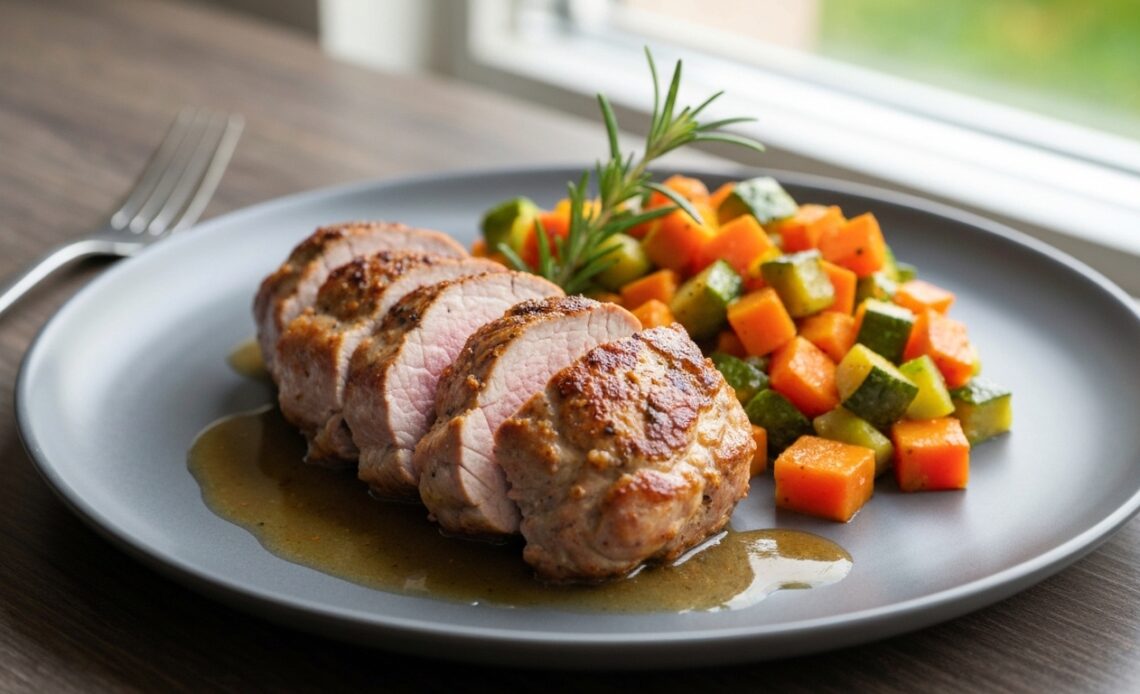
Tired of the same old weeknight dinners? Craving something elegant yet incredibly simple to prepare? Look no further! This Garlic-Herb Crusted Pork Tenderloin is about to become your new go-to. We’ve taken a classic cut of meat and elevated it with a vibrant herb crust that bakes up beautifully, creating a juicy, tender, and utterly delicious centerpiece for any meal. Forget complicated techniques; this recipe is designed for maximum flavor with minimal fuss.
Recommended Kitchen Tools
To make this recipe easier and more efficient, here are some tools I recommend:
-
Oven-Safe Skillet
Check Price on Amazon →
-
Meat Thermometer
Check Price on Amazon →
-
Sharp Chef’s Knife
Check Price on Amazon →
Why You’ll Love This Recipe
This recipe is a game-changer for busy weeknights. It requires minimal prep, cooks quickly, and delivers restaurant-worthy results. The herbaceous crust adds an incredible depth of flavor and a delightful texture contrast to the succulent pork. Plus, it’s incredibly versatile and pairs well with almost any side dish, making it a true crowd-pleaser.
Ingredients
- 1.5 – 2 lb pork tenderloin
- 2 tablespoons olive oil
- 1 teaspoon salt
- 1/2 teaspoon black pepper
- 1/2 cup panko breadcrumbs
- 1/4 cup finely chopped fresh parsley
- 2 tablespoons finely chopped fresh rosemary
- 1 tablespoon finely chopped fresh thyme
- 2 cloves garlic, minced
- 1 tablespoon Dijon mustard
Instructions
- Preheat your oven to 400°F (200°C). Pat the pork tenderloin dry with paper towels. This helps create a better sear and crust.
- In a small bowl, combine the panko breadcrumbs, chopped parsley, rosemary, thyme, minced garlic, salt, and pepper. Mix well to create your herb crust mixture.
- Heat the olive oil in an oven-safe skillet over medium-high heat. Sear the pork tenderloin on all sides until golden brown, about 2-3 minutes per side. This step locks in juices and adds flavor.
- Remove the skillet from the heat. Brush the top and sides of the seared pork tenderloin with Dijon mustard. This acts as a binder for the herb crust.
- Press the herb and panko mixture firmly onto the mustard-coated pork, ensuring an even coating all around.
- Transfer the skillet to the preheated oven. Roast for 15-20 minutes, or until a meat thermometer inserted into the thickest part of the tenderloin registers 145°F (63°C).
- Once cooked, remove the pork tenderloin from the oven and let it rest on a cutting board for 5-10 minutes before slicing. This allows the juices to redistribute, ensuring a moist and tender result.
Tips
- For an extra flavorful crust, add a pinch of red pepper flakes to the herb mixture.
- Don’t skip the searing step! It’s crucial for developing a rich flavor and a beautiful exterior.
- Ensure your herbs are finely chopped for the best adhesion to the pork.
- Use a meat thermometer for accuracy. Overcooked pork tenderloin can become dry.
Variations
- Add grated Parmesan cheese to the herb crust for a cheesy kick.
- Incorporate lemon zest into the herb mixture for a brighter, citrusy flavor.
- Try different herbs like sage or marjoram for a unique flavor profile.
Serving Suggestions
- Serve sliced with roasted root vegetables like potatoes and carrots.
- Pair with a light green salad and a balsamic vinaigrette.
- Delicious with a side of creamy mashed potatoes or polenta.
- Consider a simple pan sauce made from the skillet drippings.
Storage Tips
Store any leftover cooked pork tenderloin tightly wrapped in plastic wrap or in an airtight container in the refrigerator for up to 3-4 days. Reheat gently in the oven or a skillet to maintain moisture.
FAQ
What temperature should pork tenderloin be cooked to?
Pork tenderloin is best cooked to an internal temperature of 145°F (63°C) for medium, followed by a 5-10 minute rest. This ensures it is safe to eat while remaining juicy and tender.
Can I make the herb crust ahead of time?
Yes, you can mix the dry ingredients for the herb crust up to a day in advance and store them in an airtight container. Add the fresh herbs and garlic just before using for the best flavor.
My pork tenderloin is a little dry, what did I do wrong?
The most common reason for dry pork tenderloin is overcooking. Always use a meat thermometer and let the meat rest after cooking to allow the juices to redistribute.
Nutrition Information
- Calories: Approx. 350-400 per serving (depending on size)
- Protein: Approx. 30-35g per serving
- Fat: Approx. 15-20g per serving
- Carbohydrates: Approx. 10-15g per serving (mostly from breadcrumbs)
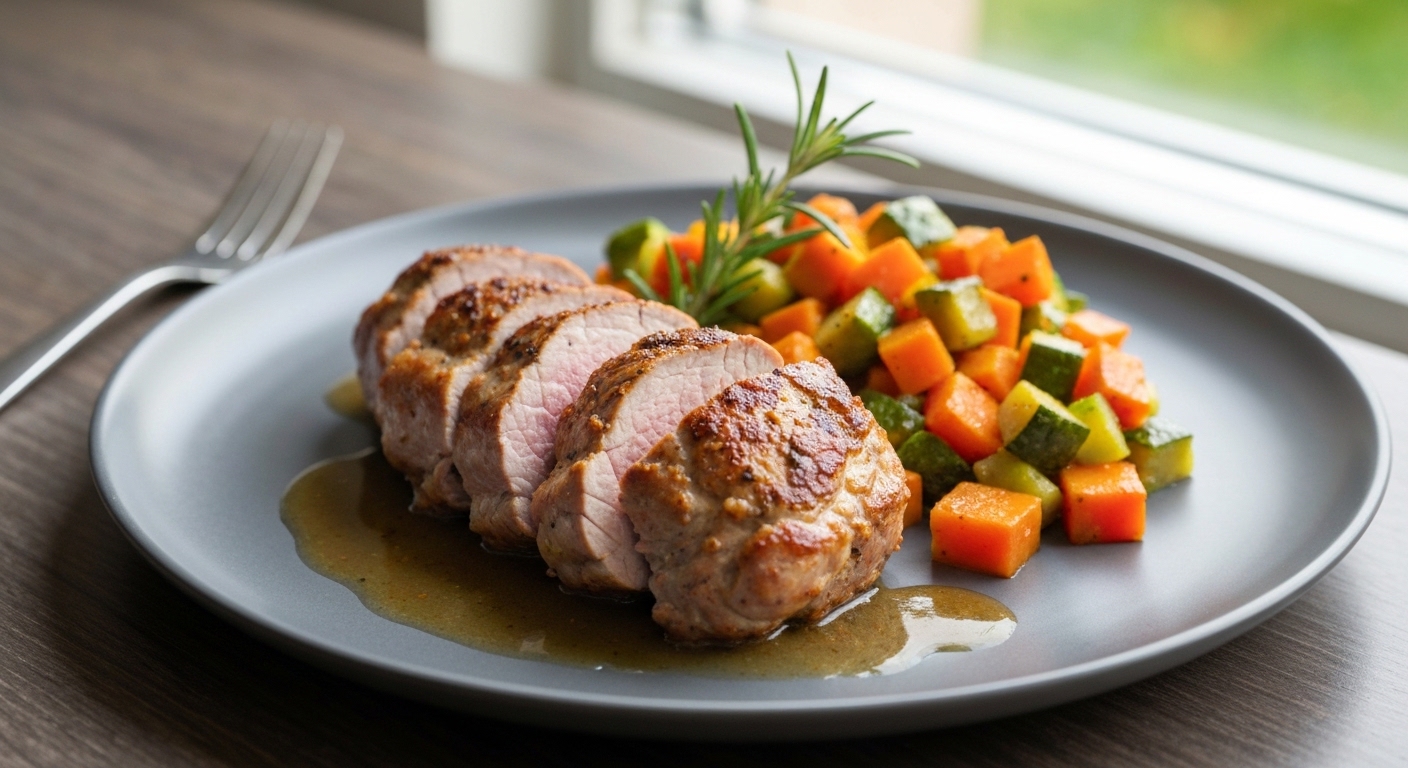
Gourmet Garlic-Herb Crusted Pork Tenderloin: A Weeknight Wonder!
Ingredients
Method
- Preheat your oven to 400°F (200°C). Pat the pork tenderloin dry with paper towels. This helps create a better sear and crust.
- In a small bowl, combine the panko breadcrumbs, chopped parsley, rosemary, thyme, minced garlic, salt, and pepper. Mix well to create your herb crust mixture.
- Heat the olive oil in an oven-safe skillet over medium-high heat. Sear the pork tenderloin on all sides until golden brown, about 2-3 minutes per side. This step locks in juices and adds flavor.
- Remove the skillet from the heat. Brush the top and sides of the seared pork tenderloin with Dijon mustard. This acts as a binder for the herb crust.
- Press the herb and panko mixture firmly onto the mustard-coated pork, ensuring an even coating all around.
- Transfer the skillet to the preheated oven. Roast for 15-20 minutes, or until a meat thermometer inserted into the thickest part of the tenderloin registers 145°F (63°C).
- Once cooked, remove the pork tenderloin from the oven and let it rest on a cutting board for 5-10 minutes before slicing. This allows the juices to redistribute, ensuring a moist and tender result.