Introduction
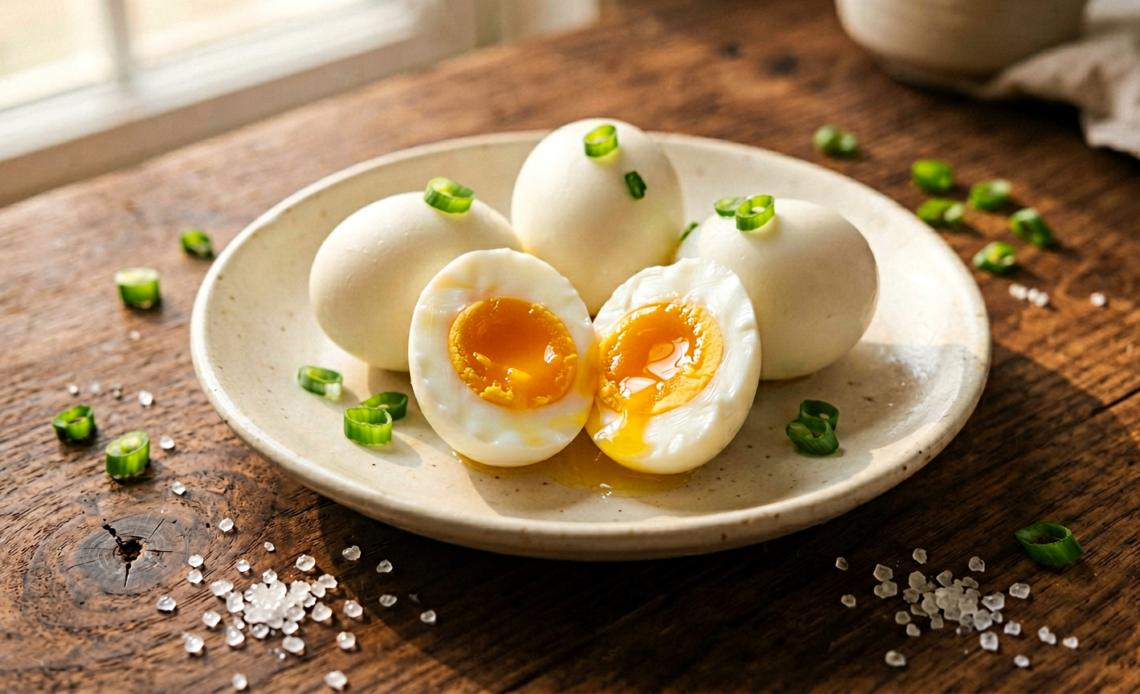
Ah, the humble hard-boiled egg. Simple, versatile, and a powerhouse of nutrition. But how many times have you ended up with rubbery yolks, stubborn shells, or that dreaded greenish ring? Fear not! This guide is your secret weapon to achieving perfectly cooked, easy-to-peel hard-boiled eggs, every single time. Whether you’re prepping for a week of healthy snacks, a vibrant salad topping, or a classic deviled egg base, we’ve got you covered.
Recommended Kitchen Tools
To make this recipe easier and more efficient, here are some tools I recommend:
-
Medium Saucepan
Check Price on Amazon →
-
Slotted Spoon
Check Price on Amazon →
-
Large Bowl
Check Price on Amazon →
Why You’ll Love This Recipe
This recipe is the foundation for countless delicious meals and snacks. It’s incredibly easy, requires minimal ingredients, and the foolproof method guarantees consistent results. Say goodbye to frustrating peeling and hello to perfectly cooked eggs ready for any culinary adventure.
Ingredients
- Large Eggs (as many as you need, typically 6-12 for a standard pot)
- Cold Water
- Ice Cubes
Instructions
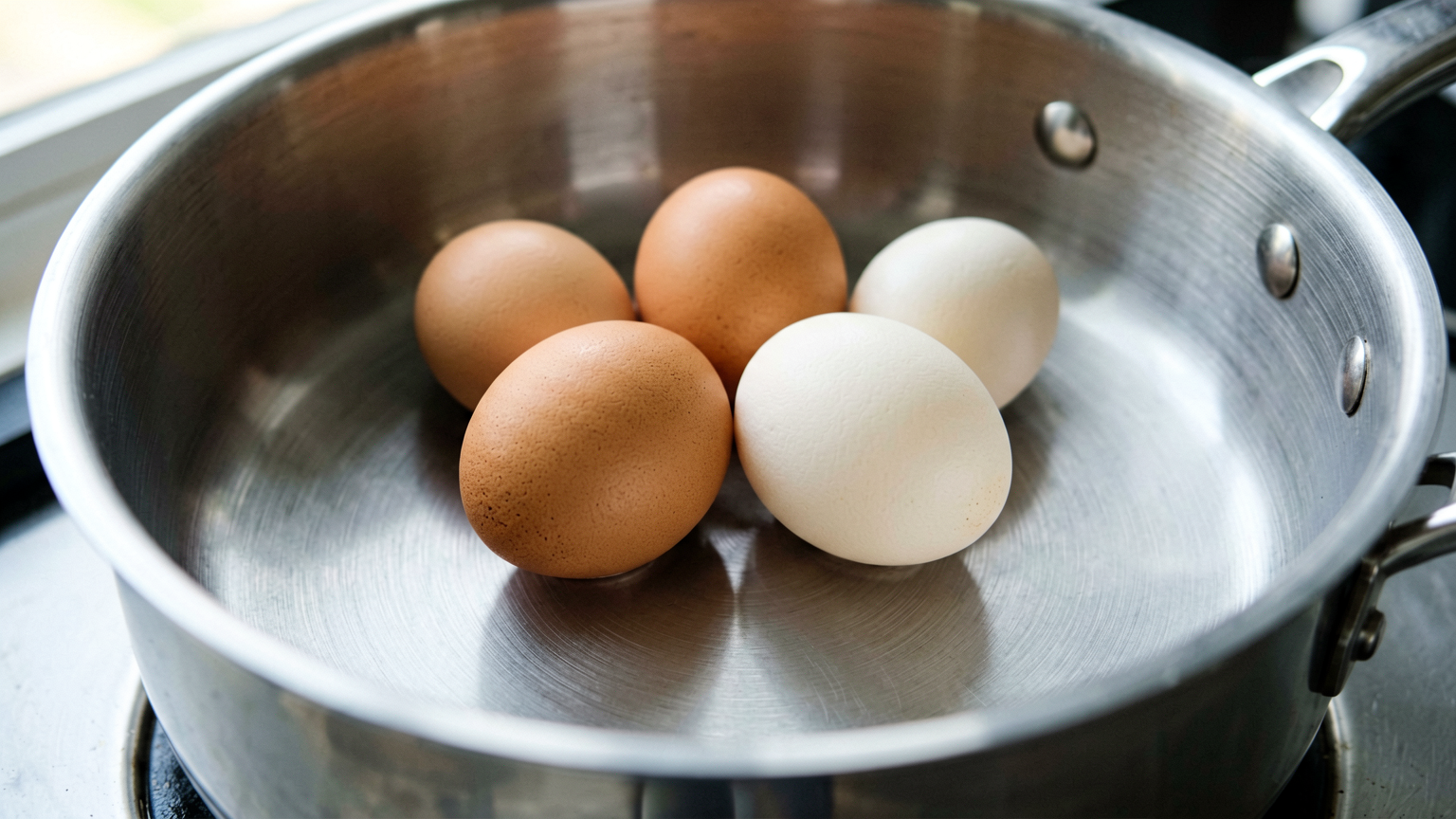
- Place your eggs in a single layer at the bottom of a medium saucepan. Avoid overcrowding the pot; if necessary, use a second pot.
- Cover the eggs with cold water by about an inch. This ensures even cooking and prevents cracking.
- Place the saucepan over high heat and bring the water to a rolling boil.
- Once the water reaches a full boil, immediately turn off the heat, cover the saucepan with a lid, and let the eggs sit in the hot water for 10-12 minutes. The exact time will depend on the size of your eggs and your desired level of doneness. 10 minutes for firm yolks, 12 for very firm.
- While the eggs are steeping, prepare an ice bath. Fill a large bowl with cold water and plenty of ice cubes. This rapid cooling stops the cooking process and helps with peeling.
- Using a slotted spoon, carefully transfer the cooked eggs from the hot water into the prepared ice bath. Let them cool completely in the ice water for at least 10-15 minutes.
- Once cooled, gently tap each egg on a hard surface to crack the shell all over. Start peeling from the larger end of the egg, where there’s usually an air pocket. The cold shock should make the shell and membrane separate easily.
Tips
- Use slightly older eggs: Fresher eggs can be harder to peel. Eggs that are a week or two old tend to peel more easily.
- Start with cold water: Placing eggs in cold water and bringing them to a boil helps them cook more evenly and reduces the risk of cracking compared to dropping them into boiling water.
- The ice bath is crucial: Don’t skip the ice bath! It stops the cooking immediately, preventing overcooked yolks and that unappetizing green ring, and also makes peeling significantly easier.
- Gentle cracking: Crack the eggs gently on a flat surface, not a sharp edge, to avoid denting the egg inside. Roll them to create fine cracks all over.
- Peel under running water: If you’re still having trouble, try peeling the egg under cool running water. The water can help get under the membrane.
Serving Suggestions
- Enjoy them as a quick, protein-packed snack on their own.
- Slice them over salads for added texture and protein.
- Mash them with mayonnaise, mustard, and seasonings for classic deviled eggs or egg salad sandwiches.
- Top avocado toast or breakfast bowls with sliced hard-boiled eggs.
- Serve them as a simple side dish with breakfast or lunch.
Storage Tips
Store peeled or unpeeled hard-boiled eggs in an airtight container in the refrigerator for up to 7 days. Peeled eggs may dry out slightly faster. For best results, peel just before serving.
FAQ
Q: Why do my hard-boiled eggs have a green ring around the yolk?
A: The green ring is caused by overcooking. It’s a reaction between sulfur in the egg white and iron in the yolk. Cooling the eggs quickly in an ice bath and not overcooking them prevents this.
Q: How can I make my hard-boiled eggs easier to peel?
A: Using slightly older eggs, starting with cold water, and plunging them into an ice bath immediately after cooking are the best methods to ensure easy peeling.
Q: Can I cook hard-boiled eggs in advance?
A: Absolutely! Hard-boiled eggs can be cooked up to a week in advance and stored in the refrigerator, either peeled or unpeeled.
Nutrition Information
- Calories: 78 kcal
- Protein: 6.3 g
- Fat: 5.3 g
- Carbohydrates: 0.6 g
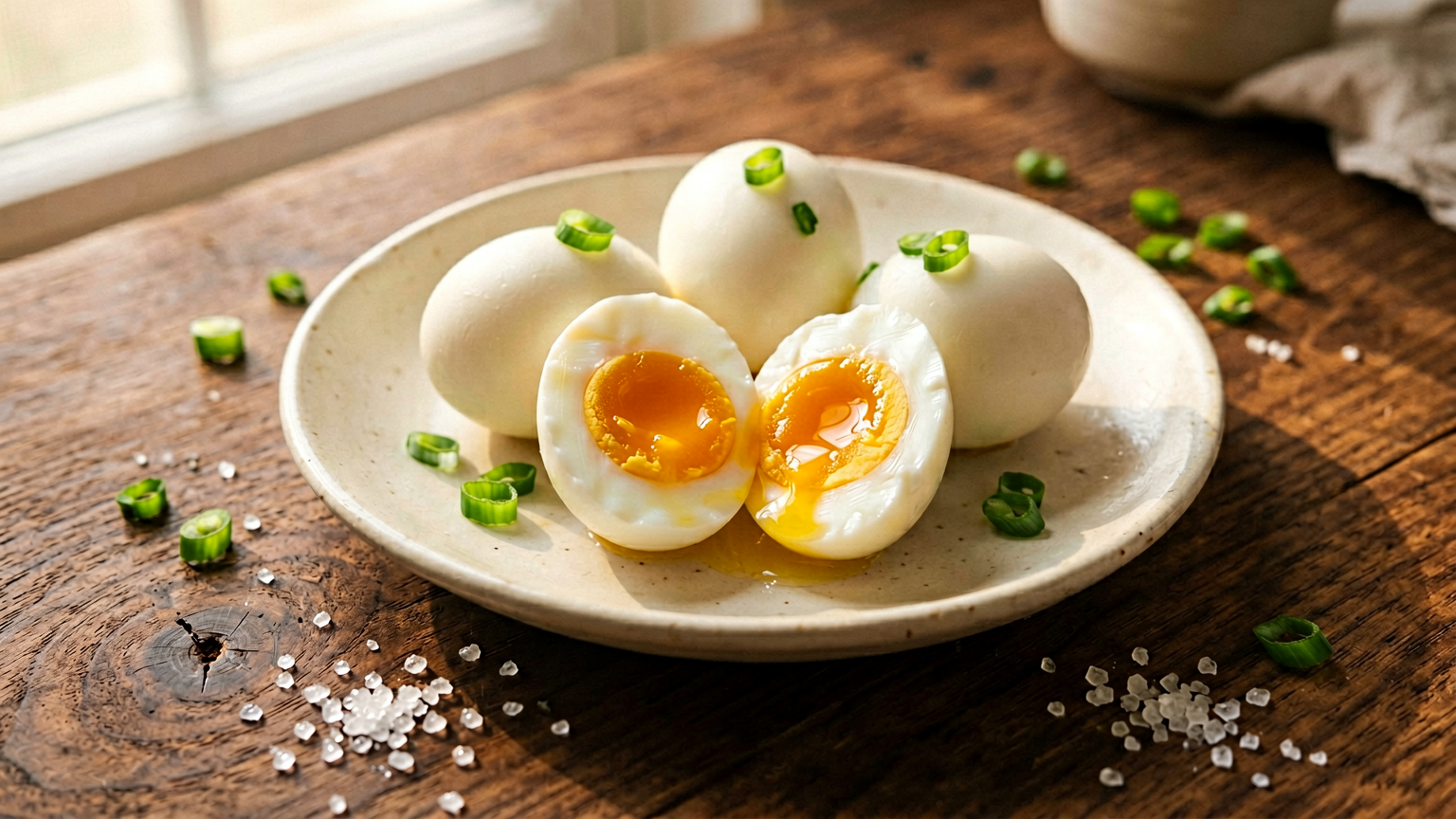
The Ultimate Guide to Perfect Hard Boiled Eggs Every Time
Ingredients
Method
- Place your eggs in a single layer at the bottom of a medium saucepan. Avoid overcrowding the pot; if necessary, use a second pot.
- Cover the eggs with cold water by about an inch. This ensures even cooking and prevents cracking.
- Place the saucepan over high heat and bring the water to a rolling boil.
- Once the water reaches a full boil, immediately turn off the heat, cover the saucepan with a lid, and let the eggs sit in the hot water for 10-12 minutes. The exact time will depend on the size of your eggs and your desired level of doneness. 10 minutes for firm yolks, 12 for very firm.
- While the eggs are steeping, prepare an ice bath. Fill a large bowl with cold water and plenty of ice cubes. This rapid cooling stops the cooking process and helps with peeling.
- Using a slotted spoon, carefully transfer the cooked eggs from the hot water into the prepared ice bath. Let them cool completely in the ice water for at least 10-15 minutes.
- Once cooled, gently tap each egg on a hard surface to crack the shell all over. Start peeling from the larger end of the egg, where there's usually an air pocket. The cold shock should make the shell and membrane separate easily.