Introduction
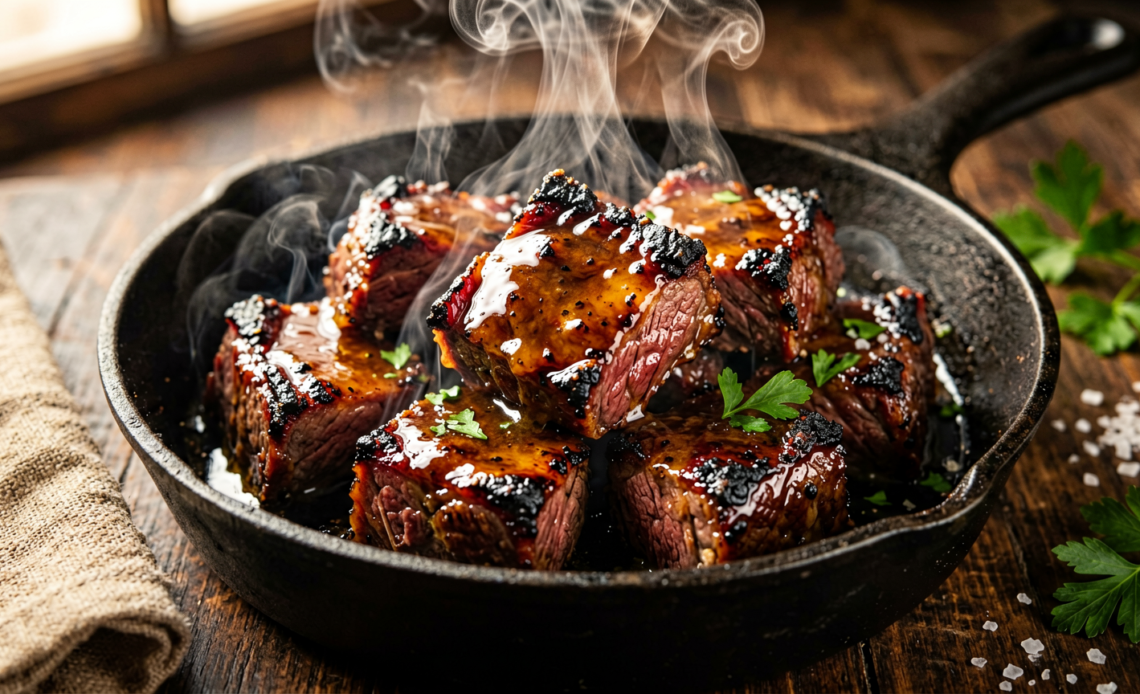
Get ready to elevate your barbecue game to legendary status! If you’ve ever dreamt of sinking your teeth into impossibly tender, smoky, and caramelized chunks of beef brisket, then this burnt ends recipe is your golden ticket. Often hailed as the ‘caviar of barbecue,’ burnt ends are a labor of love that rewards you with an explosion of flavor and texture. Forget those dry, tough restaurant versions; we’re going to show you how to create melt-in-your-mouth perfection right in your own backyard (or kitchen!).
Recommended Kitchen Tools
To make this recipe easier and more efficient, here are some tools I recommend:
-
Smoker or Grill with Smoking Capability
Check Price on Amazon →
-
Heavy-Duty Aluminum Foil Pan
Check Price on Amazon →
-
Meat Thermometer
Check Price on Amazon →
Why You’ll Love This Recipe
This recipe delivers that authentic, slow-smoked, melt-in-your-mouth texture that makes burnt ends so irresistible. We break down the process into simple steps, making it achievable even for beginner pitmasters. The rich, savory, slightly sweet, and smoky flavor profile is simply unparalleled, making these burnt ends a guaranteed crowd-pleaser for any gathering or a decadent treat just for yourself.
Ingredients
- 3-4 pound brisket flat (packer cut is also fine, trim excess hard fat)
- 1/4 cup beef broth or water
- 1/4 cup favorite BBQ rub (or a mix of paprika, brown sugar, garlic powder, onion powder, black pepper, cayenne pepper)
- 1/2 cup your favorite BBQ sauce
- 2 tablespoons unsalted butter
- 1 tablespoon honey (optional, for extra glaze)
- 1 teaspoon Worcestershire sauce (optional, for extra umami)
Instructions
- Prepare your brisket: Trim any thick, hard pieces of fat from the brisket, leaving about 1/4 inch of fat. Pat the brisket dry with paper towels.
- Apply the rub: Generously coat the entire brisket with your chosen BBQ rub. Ensure an even layer on all sides. Let it sit for at least 30 minutes at room temperature, or ideally, refrigerate overnight for maximum flavor penetration.
- Smoke the brisket: Preheat your smoker or grill to 225-250°F (107-121°C). Place the brisket directly on the grates, fat side up. Smoke for approximately 6-8 hours, or until the internal temperature reaches 195-200°F (90-93°C) and it probes tender (a thermometer should slide in with little resistance).
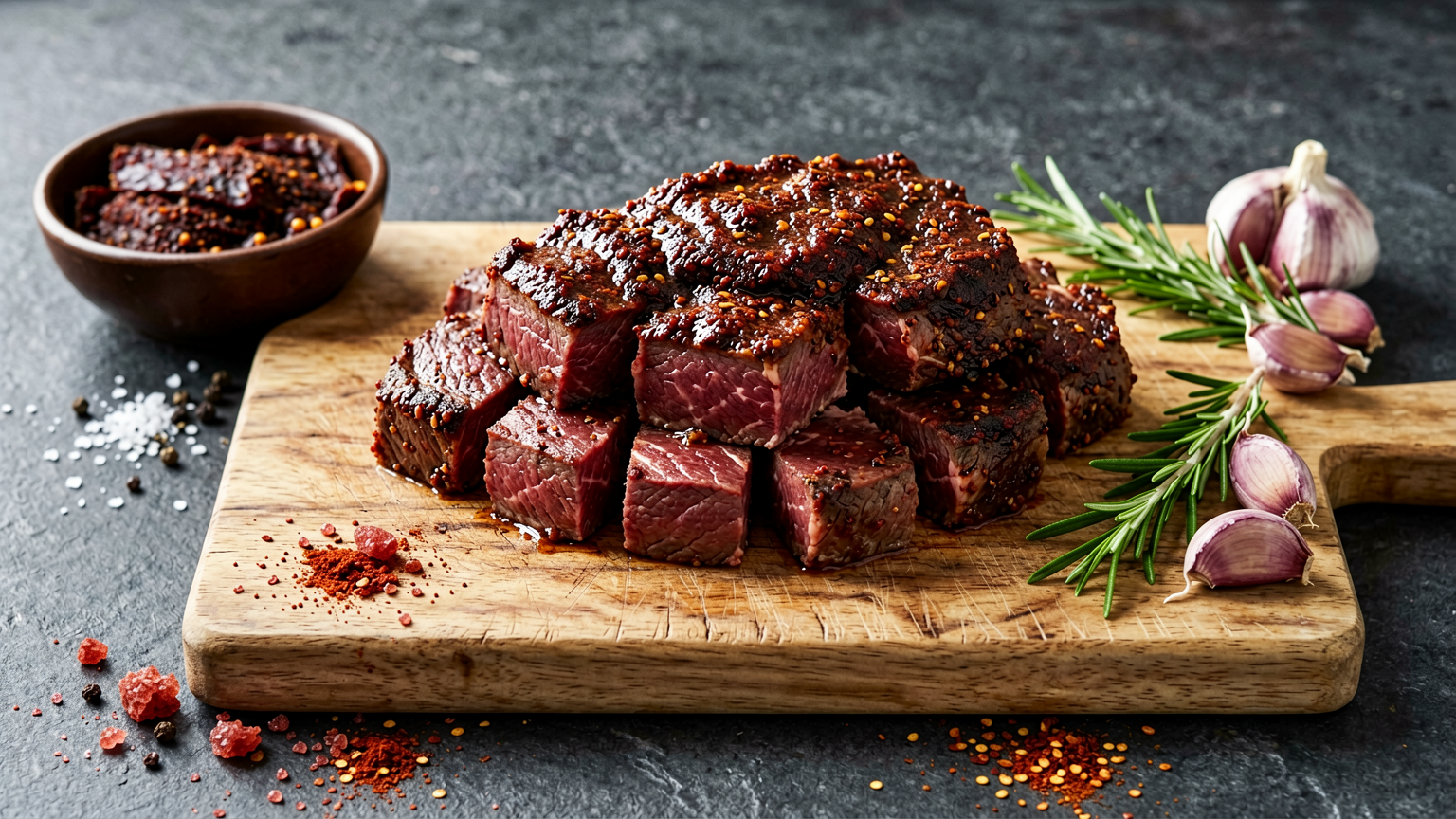
- Rest and cut: Once the brisket reaches the desired temperature and tenderness, remove it from the smoker. Wrap it tightly in butcher paper or foil and let it rest for at least 1 hour, or up to 4 hours in a cooler. Once rested, slice the brisket against the grain into 1-inch cubes. Discard any large, hard fat pieces.
- Second smoke and braise: Preheat your smoker back to 250°F (121°C). Place the brisket cubes in a disposable aluminum foil pan. Add the beef broth or water to the bottom of the pan. Cover the pan tightly with aluminum foil.
- Braise the cubes: Place the covered pan back into the smoker for about 1.5 to 2 hours, or until the cubes are very tender. The liquid should have reduced and created a flavorful broth.
- Sauce and glaze: Remove the pan from the smoker. Drain off most of the liquid, leaving about 1/4 cup in the pan. Stir in the BBQ sauce, butter, honey (if using), and Worcestershire sauce (if using). Stir gently to coat the burnt ends. Return the pan to the smoker, uncovered, for another 30-45 minutes, stirring occasionally, until the sauce thickens and caramelizes into a beautiful glaze.
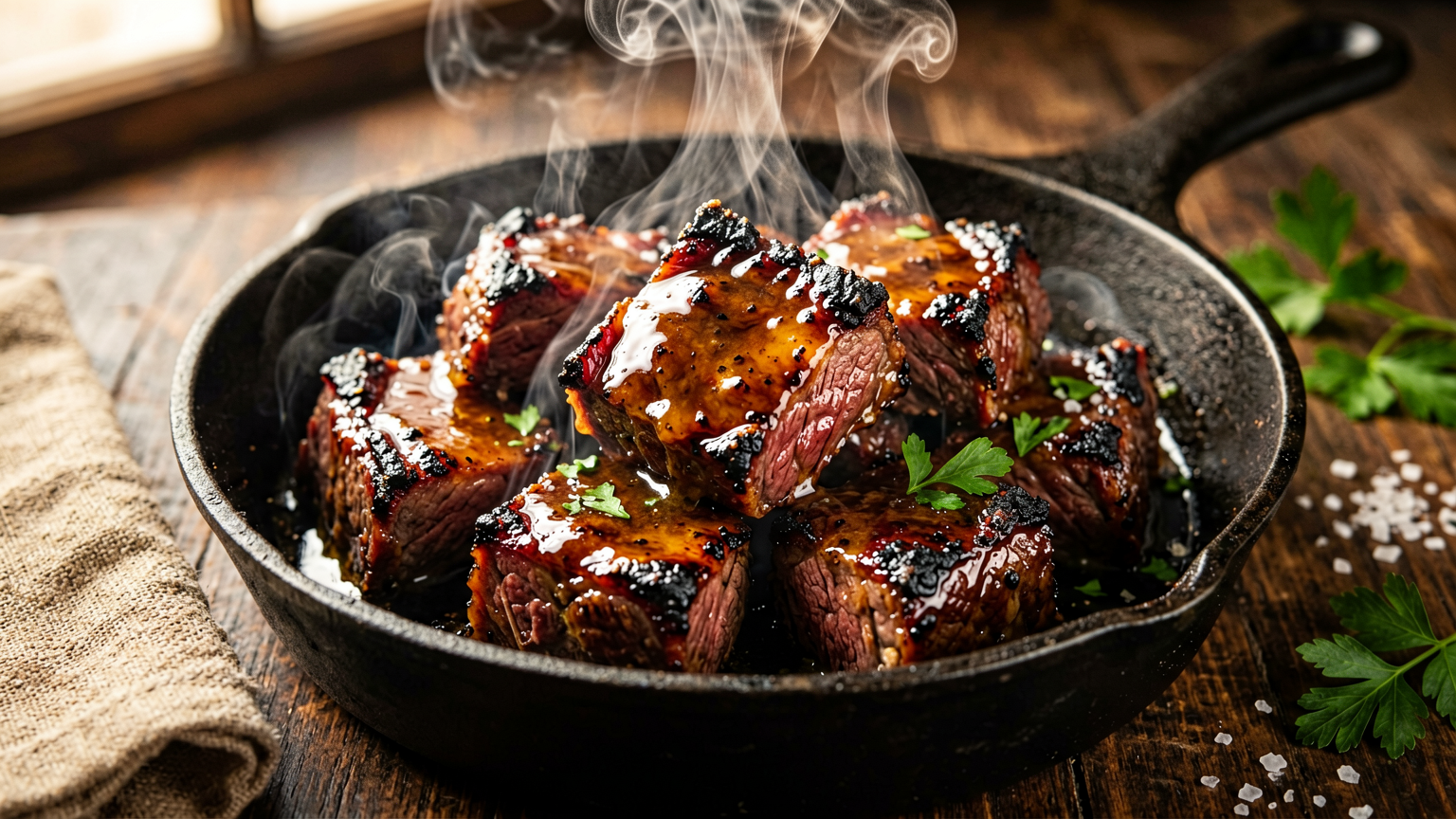
- Serve hot: Carefully remove the pan from the smoker. Let the burnt ends sit for a few minutes before serving. They should be incredibly tender, moist, and coated in a sticky, smoky glaze.
Tips
- Use a good quality brisket: A well-marbled brisket is key for tenderness and flavor.
- Don’t rush the smoke: Low and slow is the mantra for perfect brisket. Patience is rewarded.
- Probe for tenderness, not just temperature: While 195-200°F is a guideline, true doneness is determined by how easily a probe slides into the meat.
- Resting is crucial: Allowing the brisket to rest lets the juices redistribute, ensuring a moist final product.
- Adjust BBQ sauce to your liking: Feel free to use your favorite store-bought sauce or make your own. You can also add a touch more sweetener or spice.
- Watch the glaze closely: The final glazing stage can burn quickly, so keep an eye on it.
Serving Suggestions
- Serve hot as a standalone appetizer or main course.
- Pile them high on slider buns for amazing burnt end sliders.
- Add them to mac and cheese for an indulgent twist.
- Serve alongside classic BBQ sides like coleslaw, potato salad, or baked beans.
Storage Tips
Leftover burnt ends can be stored in an airtight container in the refrigerator for up to 3-4 days. Reheat gently in a low oven, on the stovetop with a splash of water or broth, or in a microwave until warmed through. Avoid overheating, which can make them tough.
FAQ
What cut of beef is best for burnt ends?
The point cut of a brisket is traditionally used for burnt ends as it has more marbling and fat, leading to a more tender and flavorful result. However, the flat cut can also be used, especially when braised properly.
How do I know when the brisket is done smoking?
The brisket is done when it reaches an internal temperature of 195-200°F (90-93°C) and probes tender. This means a thermometer or skewer can be inserted into the thickest part with very little resistance.
Can I make burnt ends in an oven?
While not traditional, you can achieve a similar result in an oven. Smoke the brisket until it’s tender, then rest, cube, and braise in a covered pan with broth and BBQ sauce at around 300°F (150°C) until tender and glazed.
Nutrition Information
- Calories: Approx. 350-450 per serving (varies based on cut, rub, and sauce)
- Protein: Approx. 30-40g
- Fat: Approx. 20-30g
- Carbohydrates: Approx. 10-20g (mostly from rub and sauce)
Smoky, Tender Burnt Ends Recipe: The Ultimate BBQ Indulgence
Ingredients
Method
- Prepare your brisket: Trim any thick, hard pieces of fat from the brisket, leaving about 1/4 inch of fat. Pat the brisket dry with paper towels.
- Apply the rub: Generously coat the entire brisket with your chosen BBQ rub. Ensure an even layer on all sides. Let it sit for at least 30 minutes at room temperature, or ideally, refrigerate overnight for maximum flavor penetration.
- Smoke the brisket: Preheat your smoker or grill to 225-250°F (107-121°C). Place the brisket directly on the grates, fat side up. Smoke for approximately 6-8 hours, or until the internal temperature reaches 195-200°F (90-93°C) and it probes tender (a thermometer should slide in with little resistance).
- Rest and cut: Once the brisket reaches the desired temperature and tenderness, remove it from the smoker. Wrap it tightly in butcher paper or foil and let it rest for at least 1 hour, or up to 4 hours in a cooler. Once rested, slice the brisket against the grain into 1-inch cubes. Discard any large, hard fat pieces.
- Second smoke and braise: Preheat your smoker back to 250°F (121°C). Place the brisket cubes in a disposable aluminum foil pan. Add the beef broth or water to the bottom of the pan. Cover the pan tightly with aluminum foil.
- Braise the cubes: Place the covered pan back into the smoker for about 1.5 to 2 hours, or until the cubes are very tender. The liquid should have reduced and created a flavorful broth.
- Sauce and glaze: Remove the pan from the smoker. Drain off most of the liquid, leaving about 1/4 cup in the pan. Stir in the BBQ sauce, butter, honey (if using), and Worcestershire sauce (if using). Stir gently to coat the burnt ends. Return the pan to the smoker, uncovered, for another 30-45 minutes, stirring occasionally, until the sauce thickens and caramelizes into a beautiful glaze.
- Serve hot: Carefully remove the pan from the smoker. Let the burnt ends sit for a few minutes before serving. They should be incredibly tender, moist, and coated in a sticky, smoky glaze.