**Making Oat Flour:** Start by measuring out your desired amount of rolled oats. For the best texture, use a high-speed blender or food processor. Add the rolled oats to the blender and process until they reach a fine, flour-like consistency. This usually takes about 30-60 seconds. Be careful not to over-process, as this can turn the oats into an oily paste. Sift the flour if you desire a finer texture, though it's often not necessary.
**Using Oat Flour in Recipes:** Oat flour can often be substituted 1:1 for all-purpose flour in many recipes. However, due to its different absorption properties, you might need slight adjustments. For baked goods, it can sometimes result in a denser texture, so combining it with a leavening agent like baking powder or baking soda is recommended. For recipes that rely heavily on gluten for structure (like yeast breads), oat flour may not be a direct substitute and might perform best in combination with other flours.
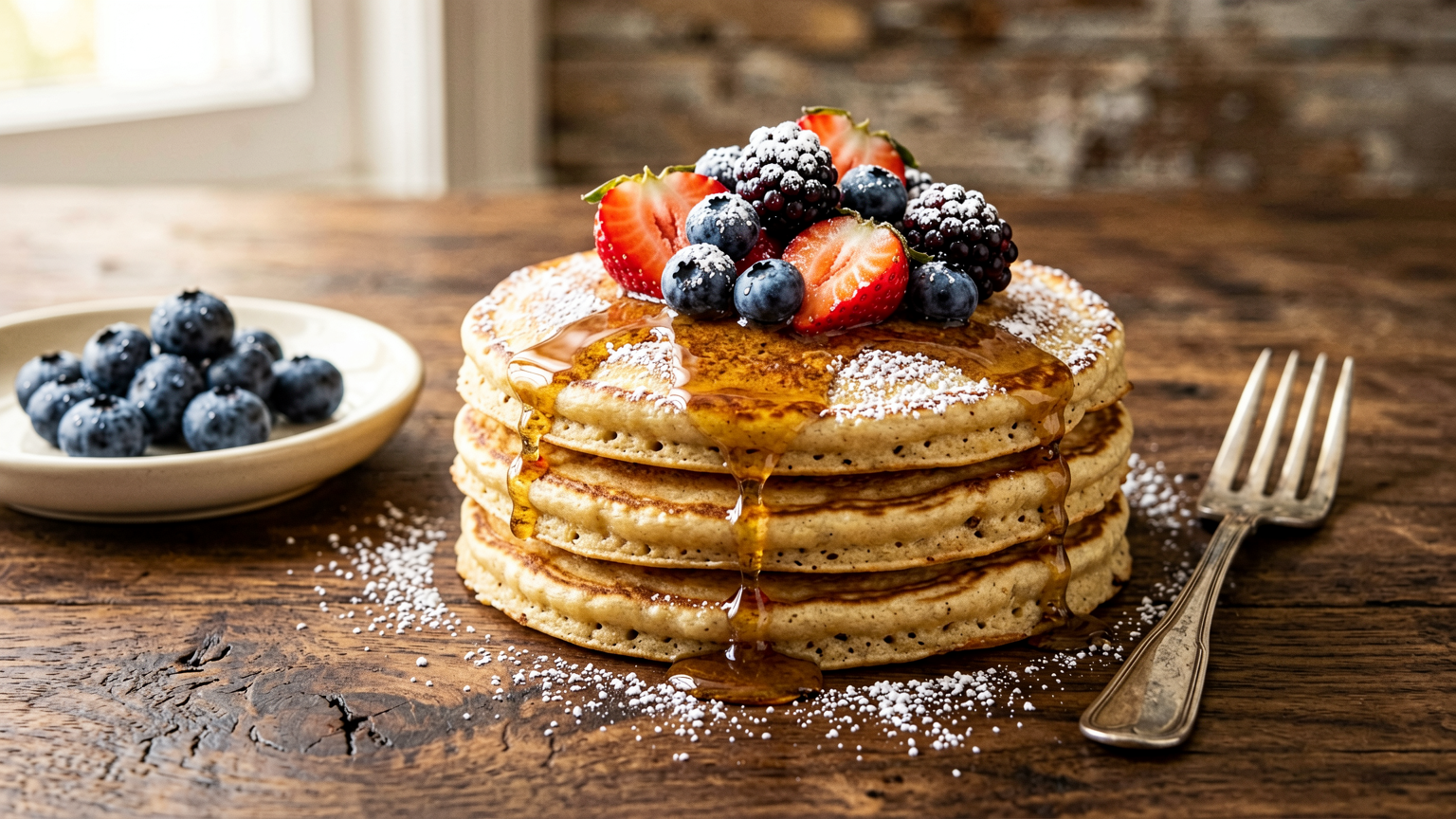
**Specific Recipe Ideas:** Explore a wide range of recipes using your homemade oat flour. Think fluffy oat flour pancakes for breakfast, moist oat flour muffins for a snack, chewy oat flour cookies for dessert, or even as a binder in veggie burgers. Oat flour is also excellent for thickening sauces and gravies, adding a subtle nutty depth.
**Storage:** Store your freshly made oat flour in an airtight container at room temperature for up to a month. For longer storage, keep it in the refrigerator or freezer to prevent it from going rancid, especially if you live in a warm climate.