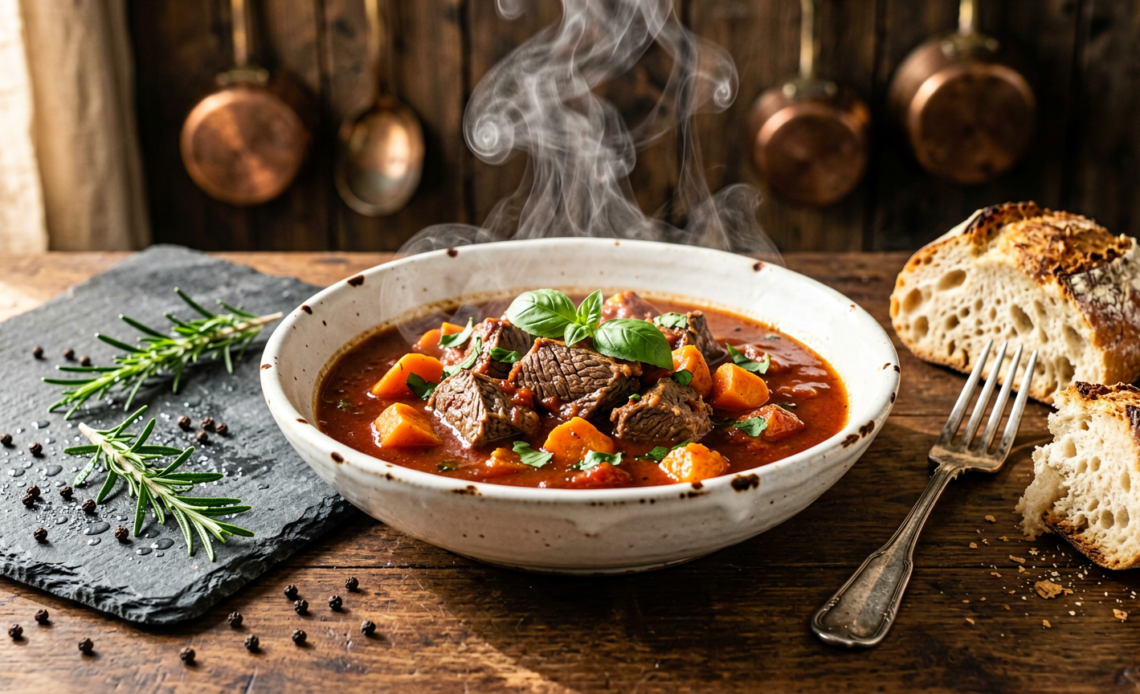
Introduction
Ever stared at a recipe that calls for a ‘pinch of this’ or a ‘glug of that’ and wondered if you’re on the right track? You’re not alone! The world of cooking is filled with delightful culinary puzzles, and today, we’re solving the mystery of ambiguous recipe amounts. Forget the frustration; embrace the fun of intuitive cooking and discover how to achieve delicious results, even when the measurements are a little… fuzzy.
Recommended Kitchen Tools
To make this recipe easier and more efficient, here are some tools I recommend:
-
Measuring Cups and Spoons Set
Check Price on Amazon →
-
Kitchen Scale
Check Price on Amazon →
-
Whisk
Check Price on Amazon →
Why You’ll Love This Recipe
This isn’t a single recipe, but a masterclass in understanding and adapting ANY recipe. You’ll gain the confidence to cook without rigid measurements, developing your own culinary intuition. Plus, it’s a fantastic way to make cooking more playful and less intimidating, leading to surprisingly delicious outcomes!
Ingredients
- Your favorite recipe with vague measurements (e.g., a dash of spice, a dollop of cream, a splash of liquid)
- Fresh ingredients as called for by your chosen recipe
- Your intuition and a willingness to experiment!
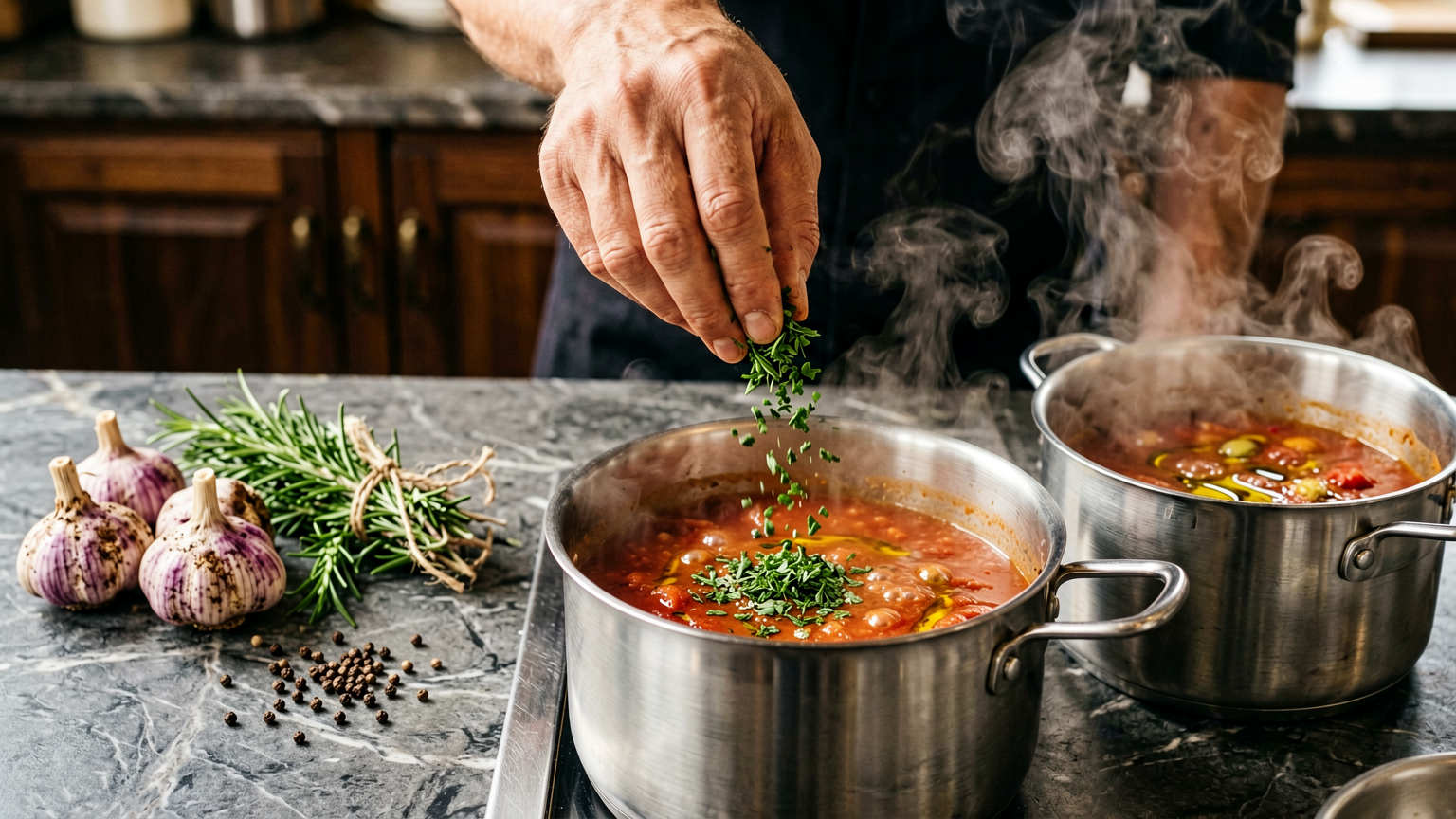
Instructions
- Step 1: Choose Your Culinary Puzzle. Select a recipe that uses descriptive terms for amounts rather than precise measurements. Think of your favorite soup, a rustic sauce, or a simple marinade.
- Step 2: Assess the ‘Ambiguity’. Read through the recipe and identify the terms like ‘pinch,’ ‘dash,’ ‘glug,’ ‘dollop,’ ‘to taste,’ or ‘enough to coat.’ Consider the function of that ingredient in the dish. Is it a binder, a flavor enhancer, a thickener, or a liquid base?
- Step 3: Start with a Baseline. For dry ingredients like spices, begin with a small, standard measurement (like 1/4 or 1/2 teaspoon for a ‘pinch’ or ‘dash’) and consider how potent the flavor is. For liquids, a ‘splash’ might be 1-2 tablespoons. A ‘glug’ could be 1/4 cup.
- Step 4: Taste and Adjust. This is the most crucial step! After adding your initial baseline amount, taste the mixture. Does it need more salt? More spice? Is the sauce too thick or too thin? Add more ingredient in small increments, tasting as you go, until you reach your desired flavor and consistency. Remember, you can always add more, but you can’t take it away!
- Step 5: Document Your Success. If you’re particularly pleased with the outcome, jot down the amounts you ended up using. This builds your personal recipe database and helps you replicate the magic next time.
Tips
- When in doubt, start small. It’s easier to add more of an ingredient than to correct an overpowering flavor.
- Understand the ingredient’s role. A ‘pinch’ of chili flakes is for heat, while a ‘pinch’ of salt is for enhancing overall flavor.
- Consider the quantity of the other ingredients. A ‘glug’ of wine for a single serving will be different from a ‘glug’ for a family-sized stew.
- Trust your palate! Cooking is a sensory experience. Let your taste buds guide you.
- Don’t be afraid to deviate. These ambiguous terms are often an invitation to personalize the dish.
Serving Suggestions
- Serve your intuitively created dish with pride!
- Pair it with complementary sides that allow the main flavors to shine.
- Consider what the original recipe likely intended and serve accordingly (e.g., if it was a sauce, serve it over pasta or chicken).
Storage Tips
Store any leftovers in an airtight container in the refrigerator for up to 3-4 days. Reheat gently, tasting and adjusting seasonings if necessary, as flavors can sometimes mellow or intensify upon storage.
FAQ
What does ‘a pinch’ usually mean in a recipe?
A ‘pinch’ typically refers to the small amount of a spice or seasoning that can be held between the thumb and forefinger. It’s usually around 1/16 to 1/8 of a teaspoon.
How much is a ‘glug’?
A ‘glug’ is an informal term for a free-pouring amount of liquid, often associated with pouring directly from a bottle. It can range from 1 to 3 tablespoons, depending on the context and the liquid.
Can I use this method for baking?
While this approach is fantastic for savory cooking and sauces, baking often requires more precise measurements for chemical reactions (like leavening) to work correctly. It’s best to stick to precise measurements for most baking recipes.
Nutrition Information
- Calories: Varies based on the chosen recipe
- Protein: Varies based on the chosen recipe
- Fat: Varies based on the chosen recipe
- Carbohydrates: Varies based on the chosen recipe
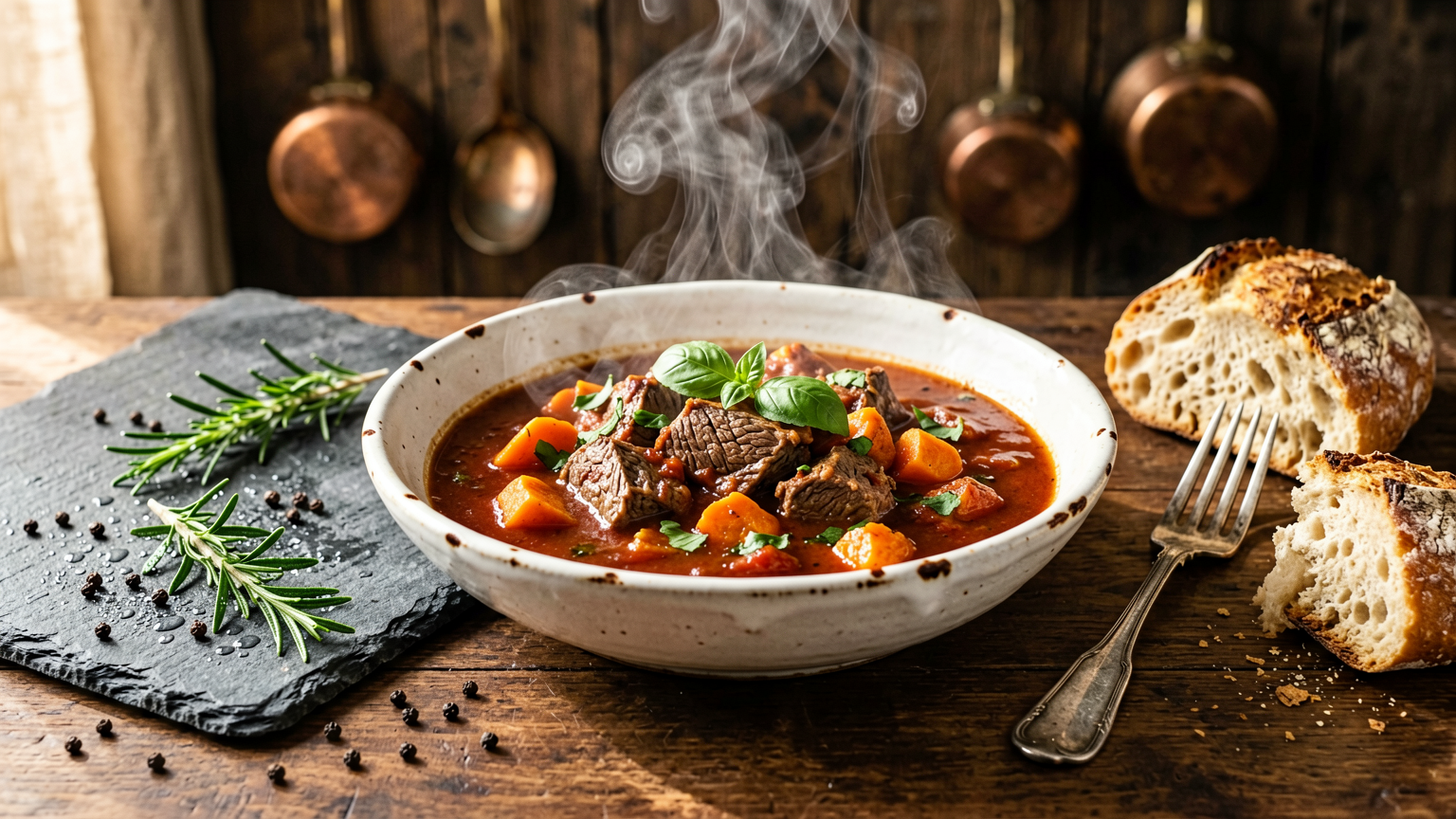
The "Ambiguous Amount" Mystery Recipe: A Culinary Puzzle Solved!
Ingredients
Method
- Step 1: Choose Your Culinary Puzzle. Select a recipe that uses descriptive terms for amounts rather than precise measurements. Think of your favorite soup, a rustic sauce, or a simple marinade.
- Step 2: Assess the 'Ambiguity'. Read through the recipe and identify the terms like 'pinch,' 'dash,' 'glug,' 'dollop,' 'to taste,' or 'enough to coat.' Consider the function of that ingredient in the dish. Is it a binder, a flavor enhancer, a thickener, or a liquid base?
- Step 3: Start with a Baseline. For dry ingredients like spices, begin with a small, standard measurement (like 1/4 or 1/2 teaspoon for a 'pinch' or 'dash') and consider how potent the flavor is. For liquids, a 'splash' might be 1-2 tablespoons. A 'glug' could be 1/4 cup.
- Step 4: Taste and Adjust. This is the most crucial step! After adding your initial baseline amount, taste the mixture. Does it need more salt? More spice? Is the sauce too thick or too thin? Add more ingredient in small increments, tasting as you go, until you reach your desired flavor and consistency. Remember, you can always add more, but you can't take it away!
- Step 5: Document Your Success. If you're particularly pleased with the outcome, jot down the amounts you ended up using. This builds your personal recipe database and helps you replicate the magic next time.