Introduction
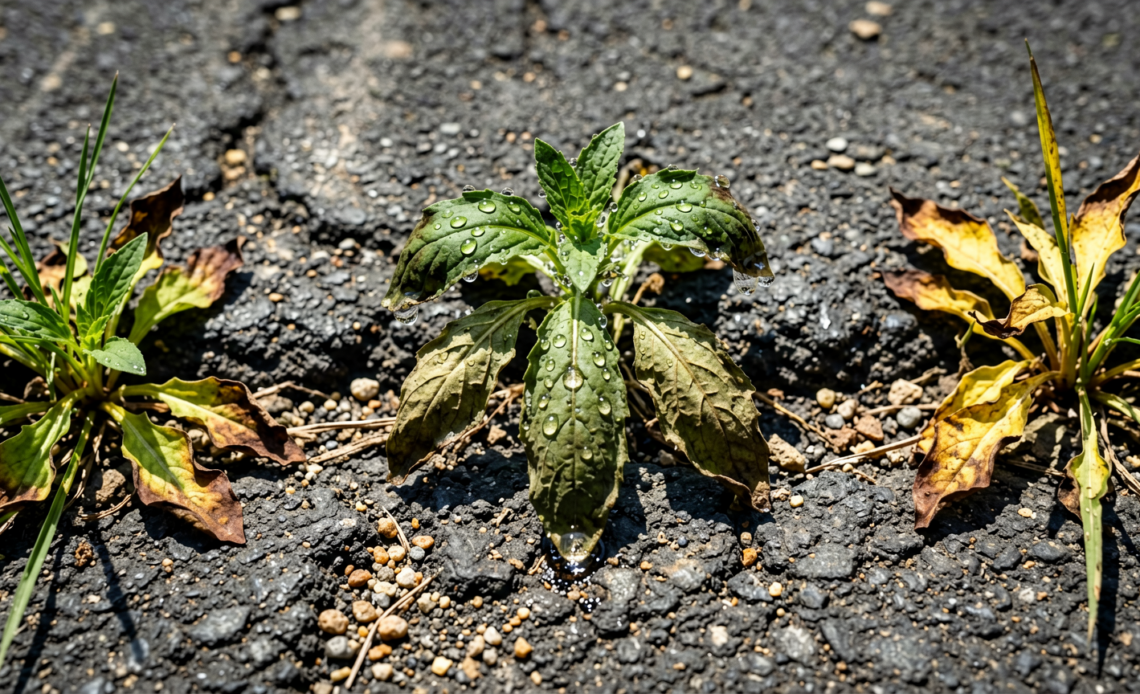
Tired of battling those persistent weeds that keep popping up in your garden, driveway, or walkways? Before you reach for those harsh, chemical-laden store-bought options, consider a greener, more natural approach! This homemade weed killer recipe is surprisingly effective, incredibly easy to whip up, and uses ingredients you likely already have in your kitchen. Get ready to reclaim your outdoor spaces the natural way!
Recommended Kitchen Tools
To make this recipe easier and more efficient, here are some tools I recommend:
-
Spray Bottle
Check Price on Amazon →
-
Measuring Cups & Spoons
Check Price on Amazon →
-
Funnel
Check Price on Amazon →
Why You’ll Love This Recipe
This DIY weed killer is a game-changer for eco-conscious gardeners and homeowners. It’s budget-friendly, non-toxic to pets and children when used as directed, and incredibly simple to make. Plus, you’ll love the satisfaction of tackling weeds with a solution you created yourself, free from harmful residues.
Ingredients
- 1 gallon white vinegar (5% acidity)
- 1 cup salt (table salt or Epsom salt)
- 1 tablespoon liquid dish soap
Instructions
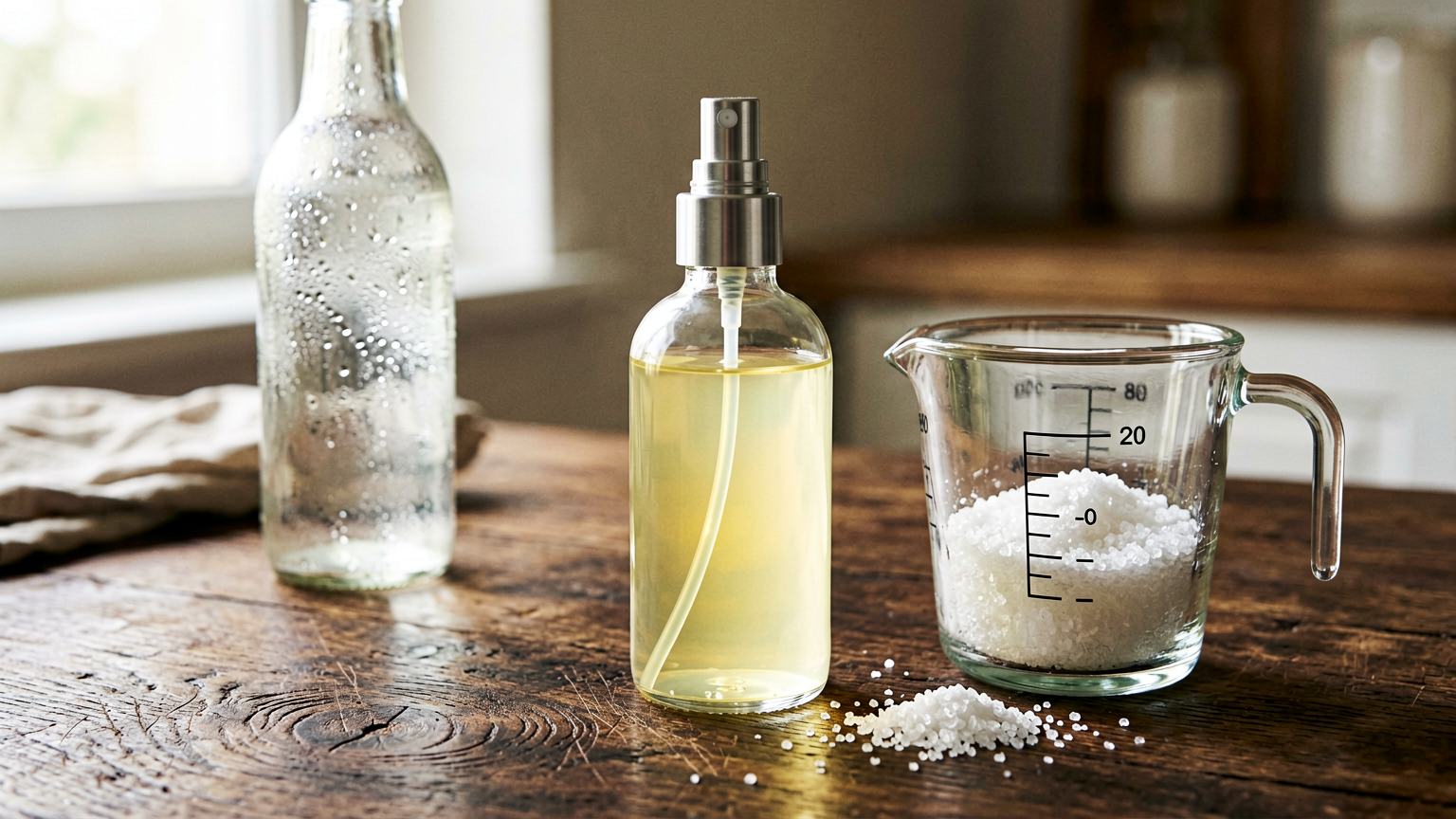
- In a large container or directly in your gallon jug, combine the white vinegar and salt. Stir or swirl until the salt is mostly dissolved. It’s okay if a few granules remain.
- Add the liquid dish soap to the vinegar and salt mixture. Gently stir to combine, being careful not to create too many suds. The dish soap helps the mixture adhere to the weed’s leaves.
- Carefully pour the mixture into your clean spray bottle using a funnel if needed. Ensure the spray bottle is sturdy and suitable for garden use.
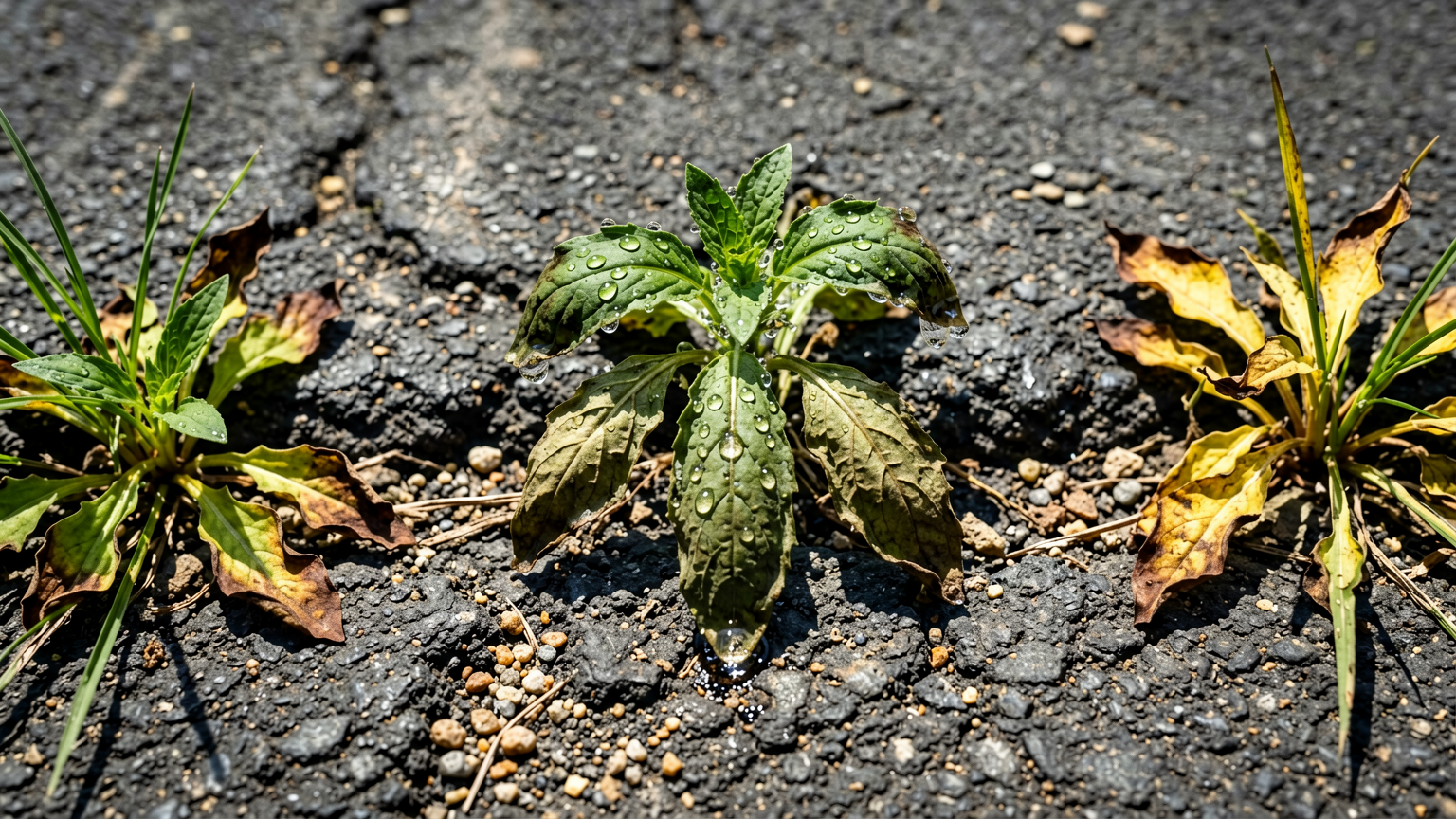
- To use, spray the mixture directly onto the leaves and stems of unwanted weeds. Aim for a sunny, dry day for maximum effectiveness, as the sun helps to ‘cook’ the weed.
- Avoid spraying desirable plants, as this mixture is non-selective and will harm any plant it contacts.
Tips
- Use vinegar with at least 5% acidity for best results. Household vinegar (3% acidity) will be less effective.
- Salt can build up in the soil and potentially harm future plant growth in treated areas. Use sparingly near garden beds where you plan to plant.
- Apply on a calm, sunny day. Wind can cause the spray to drift onto desired plants, and rain will wash the solution away before it can work.
- This is a contact killer, meaning it primarily affects the parts of the plant it touches. For deep-rooted perennial weeds, you might need repeat applications.
- Consider using a sprayer with a targeted nozzle to minimize drift.
Serving Suggestions
- Best applied directly to weeds in driveways, walkways, patios, and between cracks in pavement.
- Can be used on lawns for spot treatment of stubborn weeds, but be aware it will kill grass on contact.
- Ideal for use around fences, sheds, and other areas where you want to prevent plant growth.
Storage Tips
Store any unused weed killer mixture in a clearly labeled, sealed container in a cool, dark place, away from children and pets. Vinegar can degrade some plastics over time, so consider a glass or heavy-duty plastic container for long-term storage. Use within a few months for best efficacy.
FAQ
Is this weed killer safe for pets?
While the ingredients are generally considered safe, it’s best to keep pets away from the treated areas until the spray has dried to prevent ingestion. Once dry, it’s typically safe.
Will this kill my grass?
Yes, this is a non-selective herbicide. It will kill any plant it comes into contact with, including grass. Use it for spot treatments only where you want to eliminate all vegetation.
How long does it take to work?
You should start to see results within 24-48 hours, especially on a sunny day. More stubborn weeds may require a second application.
Nutrition Information
- Calories: N/A
- Protein: N/A
- Fat: N/A
- Carbohydrates: N/A
DIY Weed Killer: Natural & Effective Homemade Spray Recipe
Ingredients
Method
- In a large container or directly in your gallon jug, combine the white vinegar and salt. Stir or swirl until the salt is mostly dissolved. It's okay if a few granules remain.
- Add the liquid dish soap to the vinegar and salt mixture. Gently stir to combine, being careful not to create too many suds. The dish soap helps the mixture adhere to the weed's leaves.
- Carefully pour the mixture into your clean spray bottle using a funnel if needed. Ensure the spray bottle is sturdy and suitable for garden use.
- To use, spray the mixture directly onto the leaves and stems of unwanted weeds. Aim for a sunny, dry day for maximum effectiveness, as the sun helps to 'cook' the weed.
- Avoid spraying desirable plants, as this mixture is non-selective and will harm any plant it contacts.