Introduction
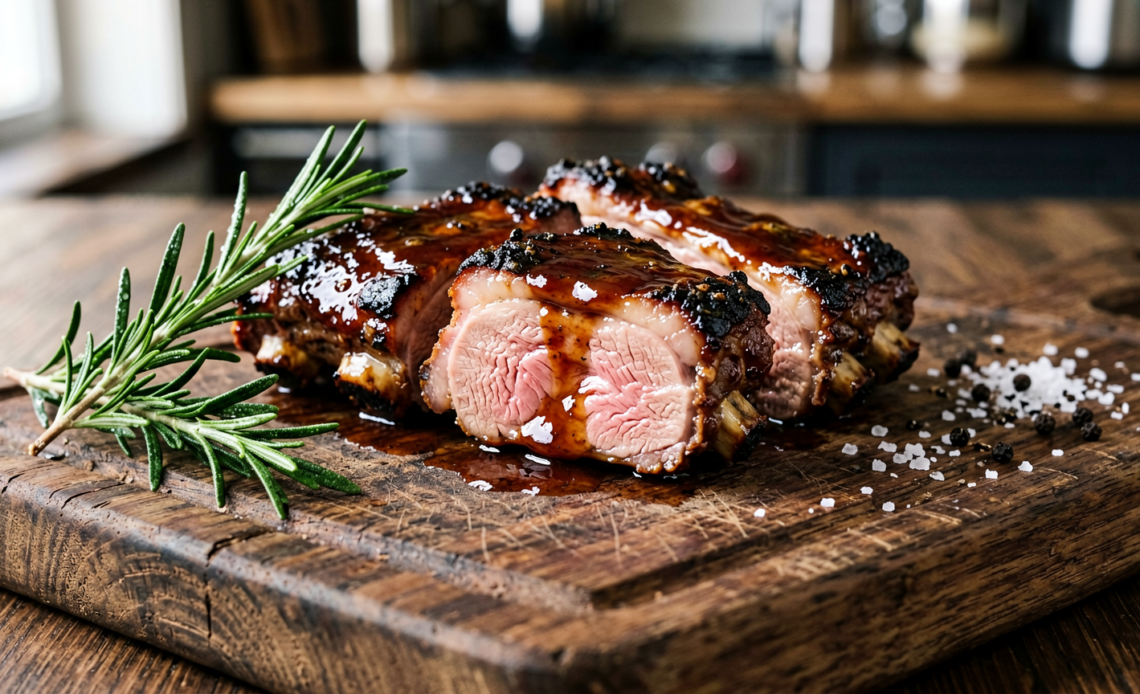
Are you ready to elevate your barbecue game from good to legendary? Forget those store-bought packets that leave your ribs tasting… well, *fine*. We’re talking about crafting a rib rub that sings with smoky depth, a whisper of sweetness, and a kick of spice that perfectly complements tender, fall-off-the-bone ribs. This isn’t just a recipe; it’s your secret weapon for backyard BBQ glory.
Recommended Kitchen Tools
To make this recipe easier and more efficient, here are some tools I recommend:
-
Spice Grinder
Check Price on Amazon →
-
Measuring Spoons
Check Price on Amazon →
-
Airtight Container
Check Price on Amazon →
Why You’ll Love This Recipe
This rib rub recipe is a flavor powerhouse that’s incredibly easy to whip up in minutes. It strikes a perfect balance between smoky paprika, savory garlic and onion, a touch of brown sugar for caramelization, and a gentle heat that builds beautifully. It’s versatile enough for pork ribs, chicken, or even beef, making it a staple in any BBQ enthusiast’s kitchen.
Ingredients
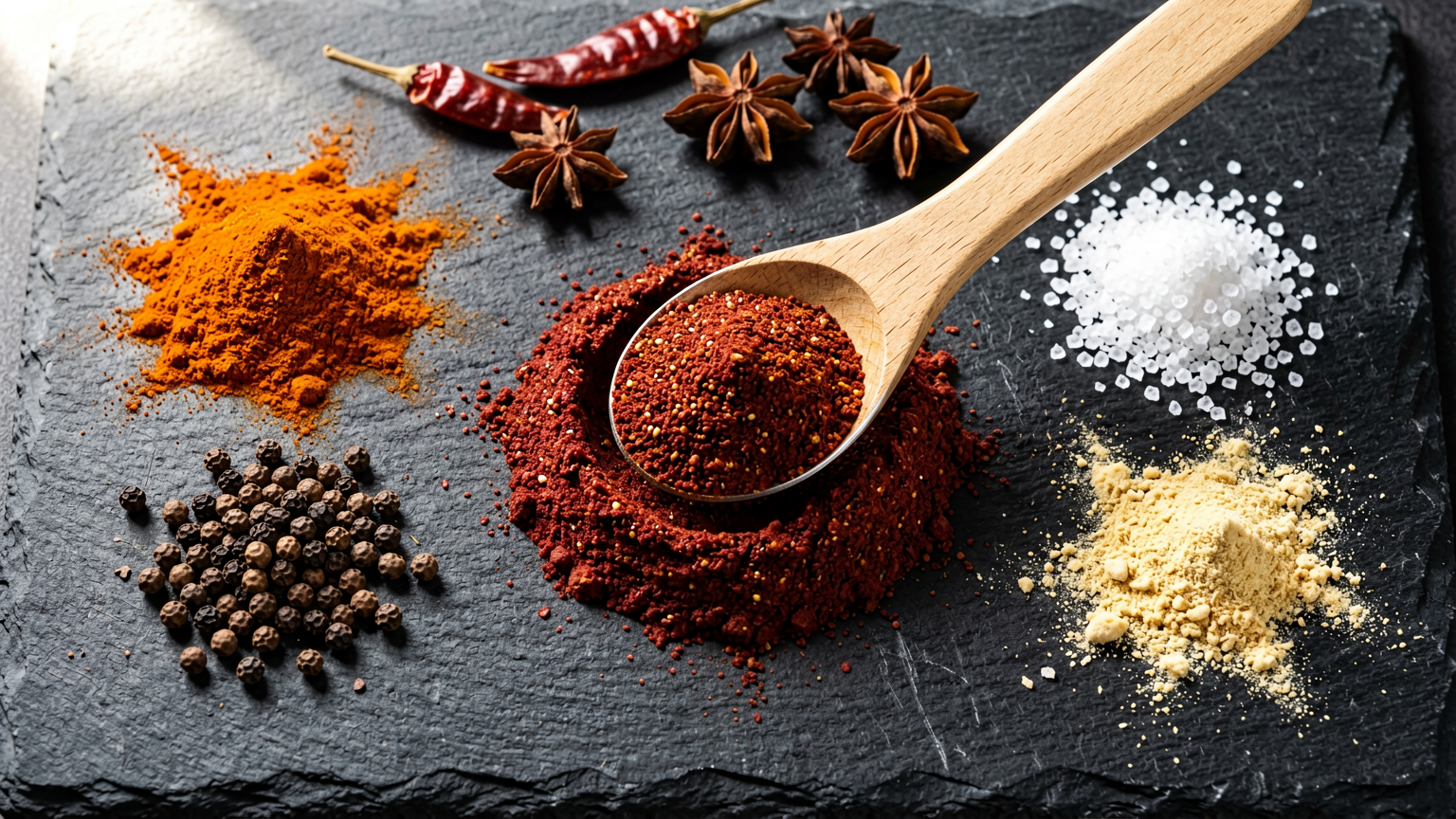
- 1/2 cup paprika (smoked or sweet)
- 1/4 cup brown sugar (packed)
- 2 tablespoons kosher salt
- 2 tablespoons garlic powder
- 1 tablespoon onion powder
- 1 tablespoon black pepper (freshly ground)
- 1 teaspoon cayenne pepper (or to taste)
- 1 teaspoon chili powder
Instructions
- In a medium bowl, combine the paprika, brown sugar, kosher salt, garlic powder, onion powder, black pepper, cayenne pepper, and chili powder. Whisk everything together until thoroughly mixed. For an extra fine rub, you can pulse the mixture a few times in a spice grinder or food processor, but this is optional.
- Once mixed, your rib rub is ready to be used! Apply a generous amount to your ribs, ensuring an even coating on all sides. Gently pat the rub onto the meat to help it adhere.
- Allow the rub to sit on the ribs for at least 30 minutes at room temperature (or refrigerate for up to 4 hours) before cooking to allow the flavors to penetrate the meat. This step is crucial for maximum flavor infusion.
Tips
- For a deeper smoky flavor, use smoked paprika.
- Adjust the cayenne pepper to control the level of heat.
- Don’t be shy with the rub! A good coating is key to building a flavorful crust.
- For a sweeter rub, increase the brown sugar slightly.
- Ensure your salt is kosher or sea salt for the best texture and flavor.
Serving Suggestions
- Generously coat pork ribs (spare ribs, baby back ribs) or beef ribs before grilling, smoking, or baking.
- Rub onto chicken pieces for a flavorful twist.
- Use as a seasoning for roasted vegetables or even as a flavorful addition to chili.
Storage Tips
Store the rib rub in an airtight container in a cool, dark, and dry place. It will stay fresh and flavorful for up to 6 months.
FAQ
How much rub should I use per pound of ribs? A good starting point is about 2-3 tablespoons of rub per pound of meat, but adjust to your preference.
Can I make this rub ahead of time? Yes, absolutely! It’s best made ahead so the flavors can meld.
Is this rub spicy? It has a mild kick from the cayenne, but you can easily adjust the amount to make it milder or spicier.
Nutrition Information
- Calories: Approx. 15-20 per tablespoon (varies with ingredients)
- Protein: Less than 1g per tablespoon
- Fat: Less than 1g per tablespoon
- Carbohydrates: Approx. 3-4g per tablespoon (primarily from brown sugar)
The Ultimate Rib Rub Recipe: Smoky, Sweet Perfection for BBQ
Ingredients
Method
- In a medium bowl, combine the paprika, brown sugar, kosher salt, garlic powder, onion powder, black pepper, cayenne pepper, and chili powder. Whisk everything together until thoroughly mixed. For an extra fine rub, you can pulse the mixture a few times in a spice grinder or food processor, but this is optional.
- Once mixed, your rib rub is ready to be used! Apply a generous amount to your ribs, ensuring an even coating on all sides. Gently pat the rub onto the meat to help it adhere.
- Allow the rub to sit on the ribs for at least 30 minutes at room temperature (or refrigerate for up to 4 hours) before cooking to allow the flavors to penetrate the meat. This step is crucial for maximum flavor infusion.