Introduction
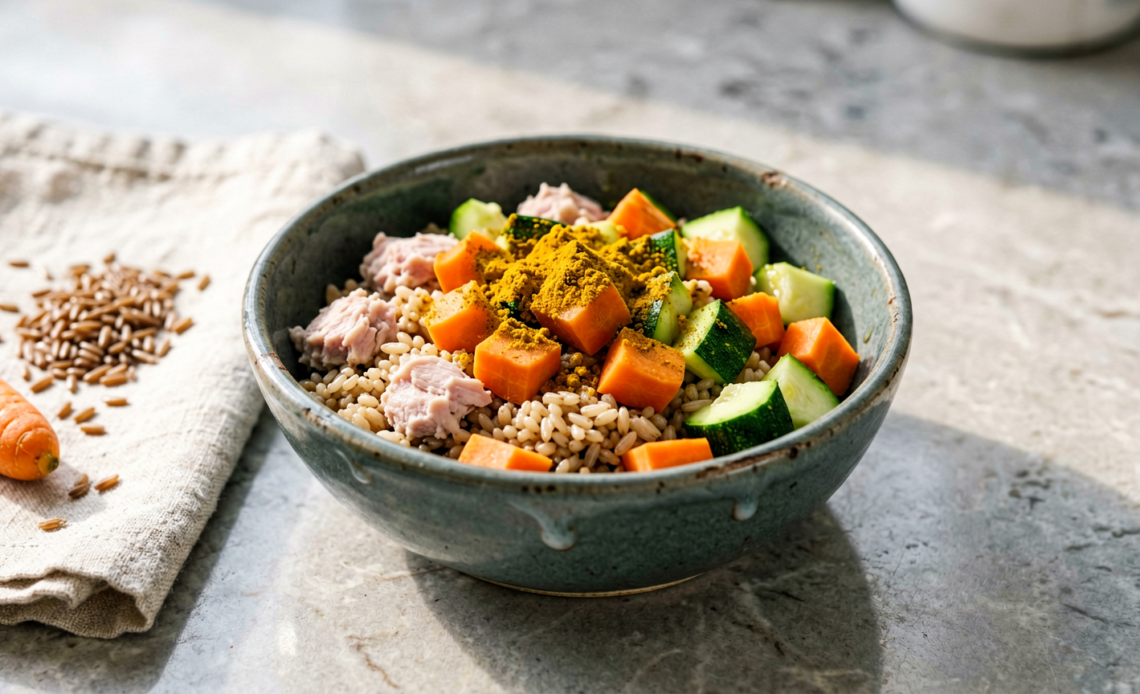
Tired of deciphering confusing ingredient lists on commercial dog food bags? You’re not alone! Many pet parents are seeking healthier, more transparent ways to nourish their beloved canine companions. What if you could create wholesome, delicious meals right in your own kitchen, knowing exactly what goes into every bite? We’ve consulted with veterinary professionals to bring you a collection of vet-approved homemade dog food recipes designed to promote optimal health, boost energy levels, and satisfy even the pickiest eaters. Get ready to transform your dog’s diet and see them thrive!
Recommended Kitchen Tools
To make this recipe easier and more efficient, here are some tools I recommend:
-
Large Mixing Bowl
Check Price on Amazon →
-
Measuring Cups and Spoons
Check Price on Amazon →
-
Food Scale
Check Price on Amazon →
Why You’ll Love This Recipe
This recipe is a game-changer for your dog’s well-being. Not only is it packed with essential nutrients, but it’s also incredibly versatile, allowing you to tailor it to your dog’s specific dietary needs and preferences. You’ll love the peace of mind that comes with knowing you’re providing the best possible nutrition, and your dog will absolutely adore the fresh, flavorful taste. Plus, it’s surprisingly easy to make, saving you money and reducing the guesswork in feeding your furry family member.
Ingredients
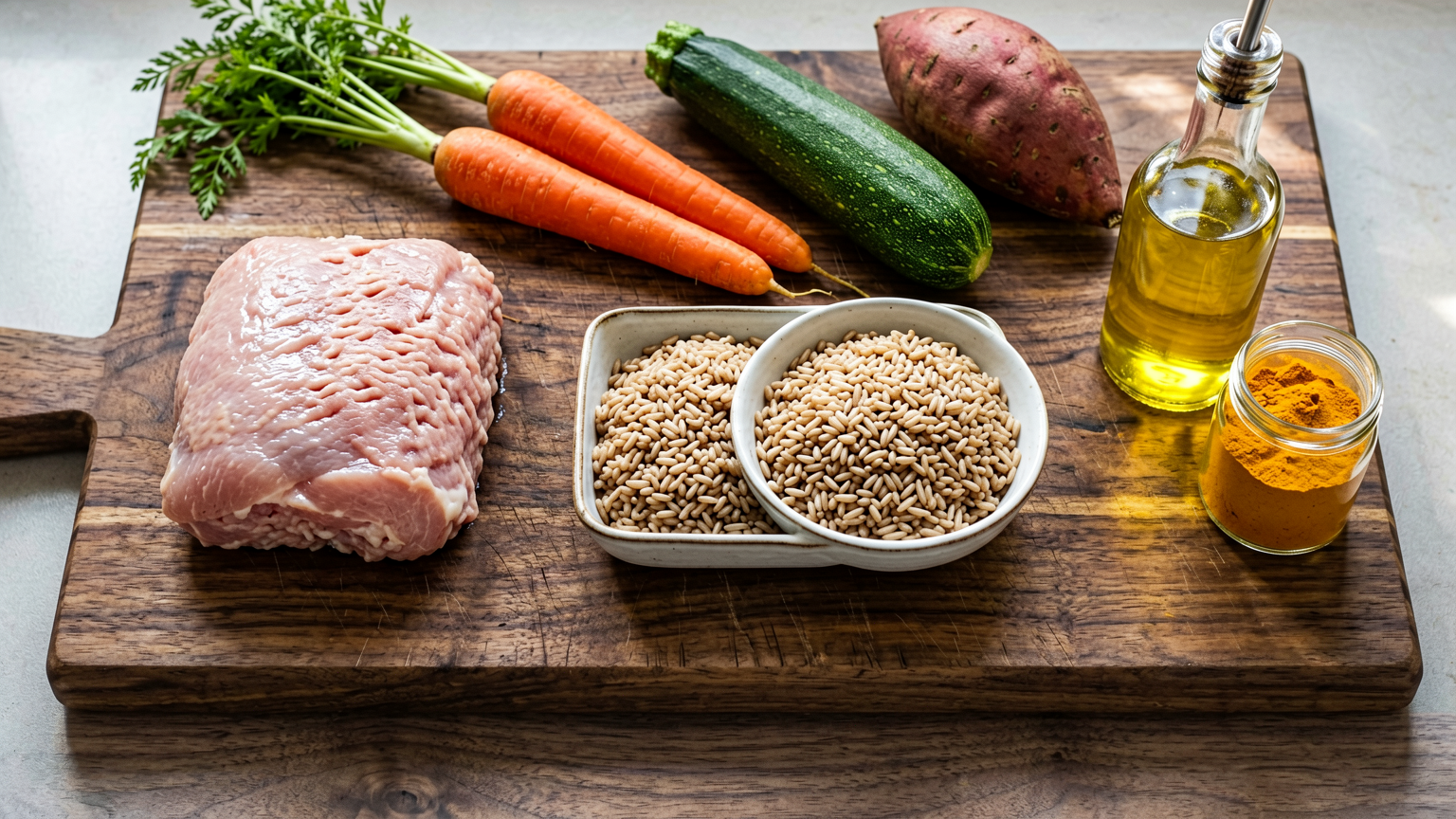
- 1 lb lean ground turkey or chicken
- 1 cup cooked brown rice or quinoa
- 1/2 cup finely chopped carrots
- 1/2 cup finely chopped zucchini or green beans
- 1/4 cup cooked sweet potato, mashed
- 1 tablespoon olive oil or coconut oil
- 1/2 teaspoon ground turmeric (anti-inflammatory properties)
- Optional: 1/4 cup cooked lentils or peas for added fiber and protein
Instructions
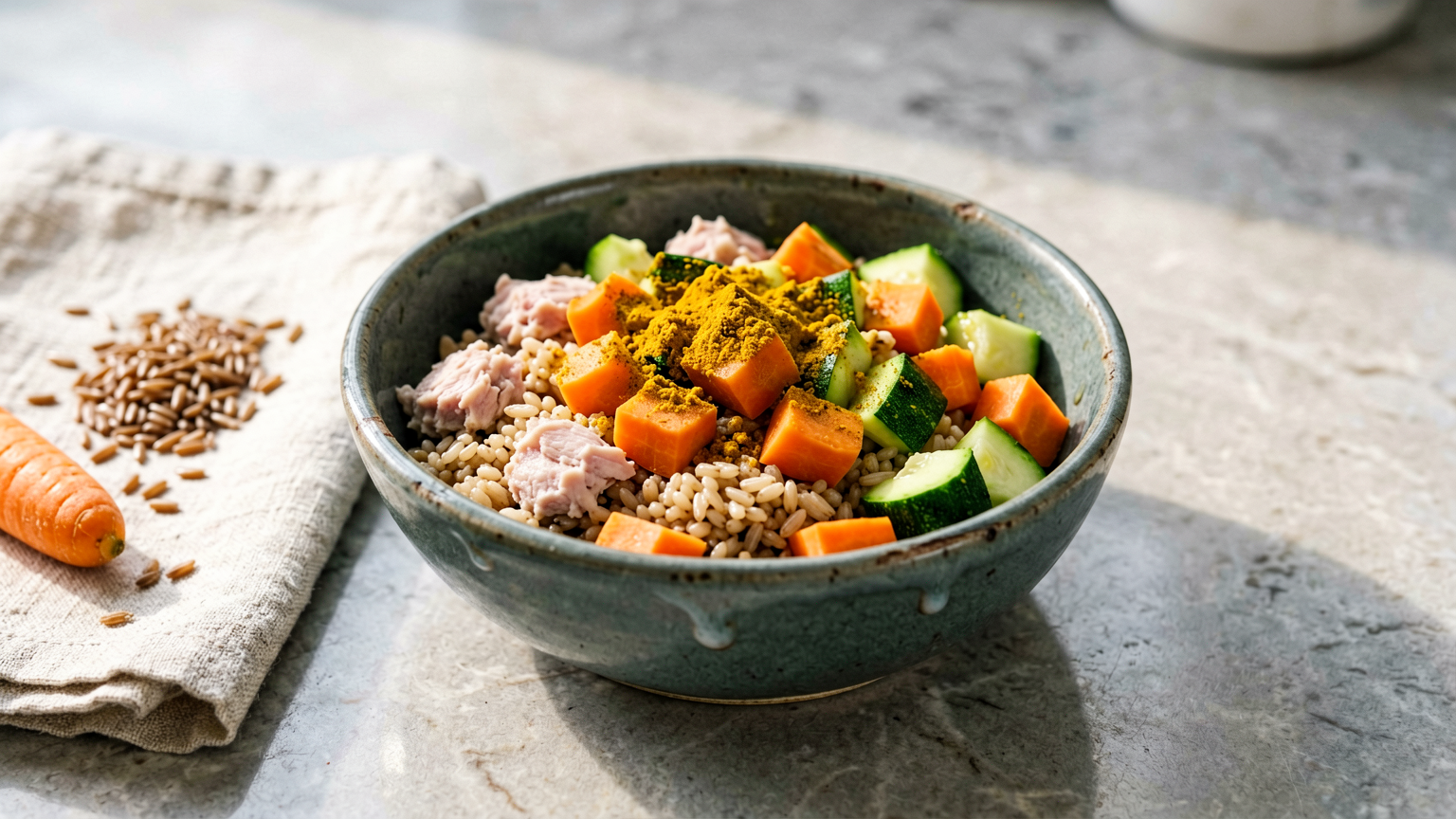
- In a large mixing bowl, combine the lean ground turkey or chicken, cooked brown rice or quinoa, chopped carrots, chopped zucchini or green beans, and mashed sweet potato.
- Add the olive oil or coconut oil and ground turmeric to the mixture. If using, add the cooked lentils or peas.
- Mix all ingredients thoroughly until well combined. Ensure everything is evenly distributed.
- To serve, portion the mixture into individual meals based on your dog’s caloric needs. A general guideline is about 1/2 cup per 20 lbs of body weight, but always consult your veterinarian for personalized portioning advice.
- You can serve this meal as is, or lightly warm it for added palatability, especially during colder months.
Tips
- Always introduce new foods gradually to avoid digestive upset. Start with a small portion mixed with their current food.
- Ensure all vegetables are cooked until soft and finely chopped or pureed to make them easily digestible for your dog.
- Consult your veterinarian before making significant changes to your dog’s diet, especially if they have any underlying health conditions.
- Use a food scale for accurate portioning to ensure your dog is receiving the correct amount of calories and nutrients.
- Consider rotating protein sources (e.g., beef, lamb, fish) to provide a wider range of nutrients and prevent food boredom.
Serving Suggestions
- Serve as a complete meal on its own.
- Mix a spoonful into your dog’s regular kibble for added flavor and nutrition.
- Portion into individual containers and freeze for easy meal prep throughout the week.
Storage Tips
Store prepared homemade dog food in an airtight container in the refrigerator for up to 3-4 days. For longer storage, portion into individual servings and freeze for up to 2-3 months. Thaw overnight in the refrigerator before serving.
FAQ
Is homemade dog food safe?
Yes, when prepared with balanced nutrition and veterinary guidance, homemade dog food can be very safe and beneficial. It’s crucial to ensure all essential nutrients are included and to avoid toxic ingredients like onions, garlic, grapes, and xylitol.
How do I know if my dog likes the homemade food?
Observe your dog’s reaction. If they eagerly eat the food, lick their bowl clean, and show good energy levels, they likely approve! If they are hesitant, try warming it slightly or mixing in a small amount of a favorite healthy topper.
Can I add supplements to homemade dog food?
It’s best to discuss supplements with your veterinarian. They can assess your dog’s specific needs and recommend appropriate supplements to ensure a nutritionally complete diet.
Nutrition Information
- Calories: Approximately 350-450 kcal per serving (varies based on portion size and specific ingredients)
- Protein: 25-30g
- Fat: 15-20g
- Carbohydrates: 30-40g
Vet-Approved Homemade Dog Food Recipes: Nourish Your Pup Naturally!
Ingredients
Method
- In a large mixing bowl, combine the lean ground turkey or chicken, cooked brown rice or quinoa, chopped carrots, chopped zucchini or green beans, and mashed sweet potato.
- Add the olive oil or coconut oil and ground turmeric to the mixture. If using, add the cooked lentils or peas.
- Mix all ingredients thoroughly until well combined. Ensure everything is evenly distributed.
- To serve, portion the mixture into individual meals based on your dog's caloric needs. A general guideline is about 1/2 cup per 20 lbs of body weight, but always consult your veterinarian for personalized portioning advice.
- You can serve this meal as is, or lightly warm it for added palatability, especially during colder months.